
Shark Tooth Guide: A Comprehensive Identification Resource
Dive into the captivating realm of shark teeth! This guide offers expert identification, covering modern and fossilized specimens, and showcasing unique teeth shapes.
Shark teeth, nature’s ancient relics, offer a fascinating glimpse into prehistoric marine life and the evolution of these apex predators. Each tooth isn’t just a sharp instrument; it’s a unique identifier, revealing details about the shark’s species, diet, and even its age. Unlike our teeth, sharks continuously shed and replace their teeth throughout their lives, creating a plentiful fossil record.
This continuous replacement means countless teeth are scattered across ocean floors and embedded within sedimentary rock, awaiting discovery. Understanding these dental structures unlocks secrets about past ecosystems and the incredible diversity of sharks that have patrolled our oceans for millions of years.
Why Study Shark Teeth?
Studying shark teeth provides invaluable insights into paleoceanography, allowing scientists to reconstruct ancient marine environments and track climate change. Teeth act as time capsules, revealing information about past shark populations, their distribution, and dietary habits. Analyzing tooth morphology helps determine species identification and evolutionary relationships, shedding light on shark diversification over millennia.
Furthermore, shark teeth contribute to understanding predator-prey dynamics within ancient ecosystems. Their study isn’t solely academic; it informs modern conservation efforts by providing a baseline understanding of shark resilience and vulnerability.
Understanding Shark Tooth Anatomy
Shark teeth aren’t simply for biting; their anatomy is remarkably adapted to their diet and lifestyle. Each tooth comprises two primary components: the root and the crown. The root anchors the tooth into the jaw, while the crown is the visible, biting surface. Crown shapes vary dramatically – triangular for tearing, lanceolate for gripping, and blunt for crushing.
Serrations, or saw-like edges, on the crown enhance cutting efficiency. Understanding these features is crucial for accurate identification and appreciating the functional diversity of shark dentition.
Root Structure and Function
Shark tooth roots are not directly embedded in bone like human teeth; instead, they’re held in place by connective tissues within the gums. This unique arrangement allows for continuous tooth replacement throughout the shark’s life. Root structures vary, ranging from single-rooted to multi-rooted designs, influencing the tooth’s stability and resistance to forces during feeding.
The root’s primary function is secure anchorage, enabling sharks to deliver powerful bites. Analyzing root morphology aids in species identification and understanding evolutionary adaptations.
Crown Shape and Serrations

Shark tooth crown shapes are remarkably diverse, reflecting dietary specializations. Triangular teeth excel at piercing and tearing, while lanceolate (pointed) teeth are ideal for grasping slippery prey. Blunt, pavement-like teeth crush hard-shelled organisms. Serrations, or saw-like edges, significantly enhance cutting efficiency, enabling sharks to slice through flesh with ease.
The presence, size, and arrangement of serrations are crucial identification features, varying considerably between species. Crown morphology and serration patterns reveal insights into a shark’s ecological niche.
Common Shark Tooth Shapes
Shark teeth exhibit a fascinating array of shapes, each adapted to specific feeding strategies. Triangular teeth, characterized by their pointed apex and broad base, are common among sharks consuming larger prey. Lanceolate, or pointed, teeth are slender and effective for gripping fish. Blunt, pavement-like teeth, with flattened crowns, are specialized for crushing shellfish and crustaceans.
Recognizing these fundamental shapes is a cornerstone of shark tooth identification, providing initial clues to species determination and ancient diets.
Triangular Teeth
Triangular shark teeth, possessing a distinct pointed apex and broad base, are hallmarks of predatory sharks targeting larger prey. These robust teeth efficiently slice through flesh, enabling effective capture and consumption. Great White Sharks famously display this tooth morphology, alongside species like Tiger Sharks, though variations exist.
Identifying features include symmetrical triangular shapes and often, prominent serrations along the cutting edges. Size can vary considerably, but the overall form remains consistently triangular, aiding in shark tooth identification.
Lanceolate (Pointed) Teeth
Lanceolate teeth, characterized by their elongated, pointed shape resembling a lance head, are commonly found in sharks specializing in grasping slippery prey like fish and squid. These teeth aren’t designed for shearing but for impaling and holding. Lemon Sharks frequently exhibit this tooth morphology, alongside other coastal species.
Key identifiers include a slender, tapering form and relatively smooth cutting edges, though some serrations may be present. Their length often exceeds their width, facilitating secure grip during feeding. Careful observation aids in accurate shark tooth identification.
Blunt, Pavement-Like Teeth
Blunt, pavement-like teeth are uniquely adapted for crushing hard-shelled prey, such as crustaceans and mollusks. These teeth lack prominent cusps or serrations, instead presenting a flat, broad surface ideal for grinding. Bull Sharks are well-known for possessing this distinctive dental arrangement, enabling them to exploit a diverse diet.
Identifying features include a rectangular or trapezoidal shape and a robust, heavily calcified structure. The teeth often appear worn and flattened due to their abrasive feeding habits. Recognizing this morphology is crucial for accurate shark tooth identification.
Identifying Common Shark Species by Their Teeth
Shark tooth identification is key to understanding these ancient predators! Each species boasts unique dental characteristics reflecting its diet and lifestyle. Great White Shark teeth are large, triangular, and serrated, perfect for tearing flesh. Tiger Shark teeth exhibit a distinctive curved shape with lateral cusplets, aiding in gripping varied prey.
Bull Shark teeth are broad and blunt, designed for crushing shells, while Lemon Shark teeth are slender and pointed. Careful observation of tooth shape, size, and serration patterns unlocks a wealth of information about the shark’s evolutionary history.
Great White Shark Teeth
Great White Shark teeth are iconic, instantly recognizable by their large, triangular shape and prominent serrations. These serrations, resembling saw-like edges, are crucial for efficiently tearing through the flesh of seals, sea lions, and other large marine animals. Typically, these teeth measure over three inches in length, showcasing their predatory power.
The upper teeth are broader than the lower, aiding in grasping and ripping. Finding a complete, undamaged Great White tooth is a prized discovery for collectors, representing a formidable apex predator.

Tiger Shark Teeth

Tiger Shark teeth are easily distinguished by their unique, curved shape and incredibly coarse serrations – often described as looking like tiger stripes, hence the shark’s name! These serrations allow them to saw through remarkably tough prey, including sea turtles and even bony fish. They are generally robust and substantial, averaging around two to four inches in length.
Unlike some sharks, Tiger Sharks frequently lose teeth, making them relatively common finds for beachcombers and fossil hunters. Their teeth exhibit significant variation in shape and size.
Bull Shark Teeth
Bull Shark teeth are characterized by their broad, triangular shape and subtly curved design, possessing noticeable serrations, though less pronounced than those found on Tiger Shark teeth. These teeth are adapted for crushing and tearing, reflecting the Bull Shark’s diverse diet, which includes fish, rays, and even other sharks. Typically, they measure between one and two inches in length.
Bull Shark teeth are frequently encountered by fossil hunters and beachcombers, particularly in coastal regions where these sharks are prevalent. Their robust build contributes to their preservation.
Lemon Shark Teeth
Lemon Shark teeth are notably slender and triangular, exhibiting a smooth, almost symmetrical shape with limited serrations, or sometimes none at all. They are generally smaller than those of Great White or Bull Sharks, typically measuring around ¾ of an inch in length. This tooth morphology reflects their feeding habits, focused on bottom-dwelling fish and crustaceans.
Lemon Shark teeth are relatively common finds, especially in areas where these sharks inhabit shallow coastal waters. Their delicate structure means they may be more prone to wear and damage.
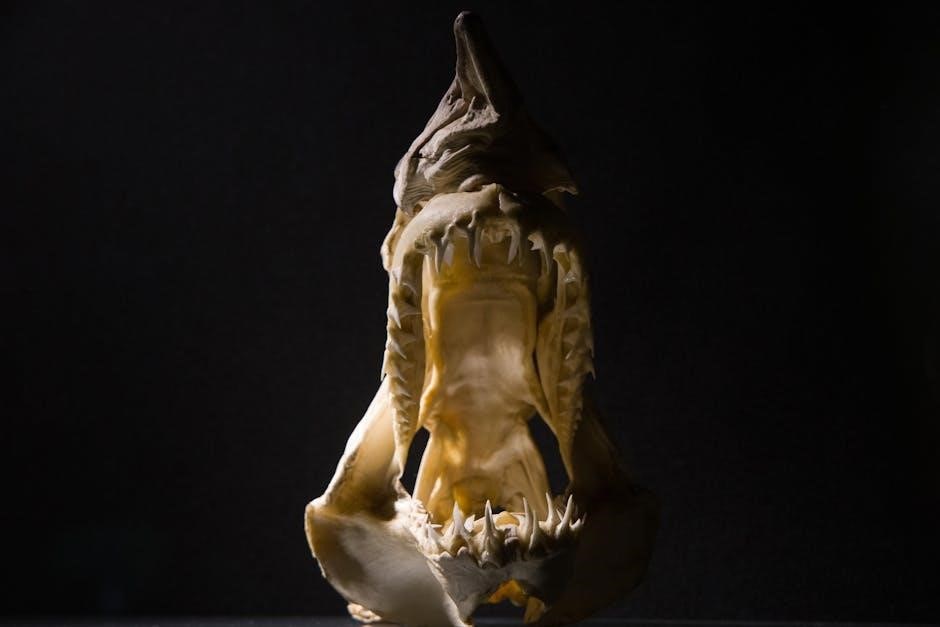
Megalodon Teeth: The Giants of the Past
Megalodon teeth are iconic relics of a prehistoric apex predator, vastly larger than any modern shark. These teeth are substantial, typically exceeding 7 inches in length, and possess a robust, triangular shape with prominent serrations. Their sheer size and robust build indicate a diet consisting of large marine mammals.
Megalodon teeth are highly sought after by collectors, commanding significant value due to their rarity and impressive scale. Finding a complete, well-preserved Megalodon tooth is a remarkable discovery, offering a glimpse into a bygone era.
Fossil vs. Modern Shark Teeth
Distinguishing between fossil and modern shark teeth is crucial for collectors and researchers. Modern teeth exhibit brighter coloration and often retain a glossy enamel surface, while fossil teeth typically display muted, earthy tones due to mineralization over time. Fossil teeth often feel heavier and more dense.
Age is a key differentiator; modern teeth come from currently living sharks, whereas fossil teeth represent extinct species. Examining the tooth’s condition—erosion, wear, and fossilization processes—provides clues to its age and origin.
Determining the Age of a Tooth
Establishing a shark tooth’s age requires careful observation and contextual understanding. Modern teeth are relatively easy to date, linked to species still extant today. Fossil teeth, however, present a greater challenge, relying on geological dating methods and stratigraphic context.
Analyzing the surrounding sediment layers where the tooth was discovered provides crucial clues. Radiometric dating of these layers can pinpoint the tooth’s approximate age. The degree of fossilization—mineral replacement—also indicates age, with more complete fossilization suggesting greater antiquity.
Preservation and Fossilization Processes
Shark teeth exhibit remarkable preservation due to their composition – primarily dentin and enameloid, highly resistant materials. Rapid burial in sediment protects teeth from physical degradation and scavenging. Fossilization occurs when minerals gradually replace the original tooth structure, transforming it into stone.
This process, known as permineralization, often preserves intricate details. The surrounding sediment’s mineral content influences the fossil’s color and texture. Complete fossilization is rare; many teeth display partial replacement or surface erosion, offering clues about their history.
Shark Tooth Identification Charts and Diagrams

Visual aids are invaluable for shark tooth identification! Detailed charts showcase diverse tooth shapes, sizes, and serration patterns, aiding in species determination. Diagrams illustrate key anatomical features – root structure, crown morphology, and cusp arrangements – facilitating accurate comparisons.
Resources like SHRKco.com provide excellent examples, while comprehensive guides offer comparative analyses of various species’ dentition. Utilizing these tools empowers collectors and enthusiasts to confidently classify their finds, unlocking the stories held within each ancient tooth.
Where to Find Shark Teeth
Prime locations for shark tooth hunting include beaches, particularly after storms, where wave action exposes hidden treasures. Coastal areas with ancient seabed deposits, like the Calvert Cliffs in Maryland, are renowned fossil hunting sites. Riverbeds and estuaries can also yield remarkable finds, as sharks frequented these waterways.
Successful hunting requires research; identifying areas with favorable geological conditions increases your chances. Remember to check local regulations and obtain necessary permits before embarking on your paleontological adventure!
Beachcombing Locations
Ideal beachcombing spots often lie along coastlines with significant prehistoric shark populations. Florida’s beaches, especially Venice Beach, are world-famous for abundant shark teeth. North Carolina’s Outer Banks and South Carolina’s beaches also offer excellent opportunities. Look for areas near inlets and sandbars, where currents concentrate fossils.
Post-storm conditions are particularly fruitful, as erosion uncovers previously buried teeth. Remember to respect private property and adhere to local collecting guidelines while exploring these coastal treasures!
Fossil Hunting Sites
Beyond beaches, dedicated fossil hunting sites yield remarkable finds. The Calvert Cliffs in Maryland are renowned for Miocene-era shark teeth, including Megalodon specimens. South Carolina’s rivers and phosphate mines also present promising opportunities, though access often requires permission.
Consider exploring areas with exposed sedimentary rock formations, as these layers frequently contain fossilized remains. Research local geological maps and join fossil clubs to discover productive sites and learn responsible collecting practices. Patience and persistence are key!
Tools for Shark Tooth Hunting
Successful shark tooth hunting requires the right equipment. Sieves and screens, with varying mesh sizes, are crucial for separating teeth from sediment. Durable shovels and digging tools aid in excavating promising layers, while buckets are essential for collecting finds.
Consider bringing small trowels for delicate work and a sturdy bag to carry your treasures. Magnifying glasses help with detailed examination, and a notebook allows for recording location data. Don’t forget gloves for protection and a first-aid kit!
Sieves and Screens
Essential for efficient shark tooth hunting, sieves and screens separate teeth from unwanted materials. Multiple mesh sizes are recommended; a coarser screen quickly removes larger debris, while finer meshes capture smaller teeth. Stacked sieves create a tiered sorting system, streamlining the process.
Durable plastic or metal frames support the mesh, ensuring longevity. Circular or rectangular shapes are common, with sizes varying based on the volume of sediment processed. Regularly cleaning the screens prevents clogging and maintains optimal performance during your search.
Shovels and Digging Tools
Robust shovels are crucial for excavating sediment-rich areas, particularly in fossil hunting locations. Choose a shovel with a sturdy blade and comfortable grip for prolonged use. Smaller trowels offer precision for delicate digging around potential tooth finds, minimizing damage.
Consider a digging fork to loosen compacted soil and uncover hidden layers. Stainless steel tools resist corrosion, extending their lifespan in saltwater environments. Always prioritize safety; wear gloves and appropriate footwear when using digging implements during your shark tooth expeditions.

Cleaning and Preserving Shark Teeth
Carefully remove sand and debris using a soft-bristled brush and lukewarm water. Avoid harsh chemicals or abrasive cleaners, as they can damage the enamel. For stubborn residue, a gentle soak in distilled water may help. Fragile teeth benefit from stabilization; a consolidant can strengthen weakened structures.
Allow teeth to air dry completely before storage. Store them individually in acid-free paper or small containers to prevent scratching. Proper cleaning and preservation ensure your finds remain pristine for years, showcasing the beauty of these ancient relics.
Removing Sand and Debris
Begin the cleaning process with a gentle rinse under lukewarm, running water to dislodge loose sand and sediment. Utilize a soft-bristled toothbrush to carefully scrub away remaining debris, focusing on crevices and around the root structure. Avoid applying excessive pressure, which could cause damage, especially to delicate teeth.
For particularly stubborn particles, a brief soak in distilled water can aid removal. Inspect the tooth closely and repeat the brushing process until clean, ensuring no abrasive materials are used during the cleaning procedure.
Stabilizing Fragile Teeth

Fragile shark teeth, often those heavily weathered or with compromised root structures, require careful stabilization. A consolidant, like Paraloid B-72, diluted in acetone, can be gently applied to strengthen the tooth. Apply in thin coats, allowing each to dry completely before adding another, preventing buildup.
This process helps bind loose fragments and prevent further deterioration. Handle treated teeth with extreme care during storage and display, as the consolidant doesn’t restore original strength, only provides temporary support.
Shark Tooth Grading and Value
Shark tooth value hinges on several factors: species, size, color, condition, and root integrity. Grading scales vary, but generally assess these aspects. Pristine, complete teeth command higher prices than chipped or broken specimens. Megalodon teeth, due to their rarity and size, are typically the most valuable.
Color also plays a role; darker, richer hues are often preferred. Grading often uses terms like “A+” (exceptional) down to “C” (poor condition). Market demand and collector interest significantly influence final prices.
Factors Affecting Value
Several key elements dictate a shark tooth’s worth. Species is paramount; Megalodon teeth consistently fetch the highest prices due to their immense size and rarity. Size within a species also matters – larger teeth are generally more valuable. Condition is crucial; complete, undamaged teeth command premium prices, while chipped or broken ones are worth less.
Color and luster contribute, with darker, well-preserved specimens being favored. Root integrity is vital; a complete root adds significant value. Finally, market demand and collector preferences influence pricing.

Common Grading Scales
Shark tooth grading lacks a universally standardized system, but several scales are frequently used by collectors and dealers. A common approach categorizes teeth as Perfect (flawless), Excellent (minor imperfections), Good (noticeable wear, but structurally sound), and Fair (significant damage or restoration). Some scales incorporate numerical ratings, like 1-10, with 10 being perfect.
Grading considers factors like enamel condition, root integrity, and the presence of repairs. Subjectivity exists, so understanding a seller’s criteria is essential. Detailed descriptions and high-quality photos are crucial for accurate assessment.
Distinguishing Real Shark Teeth from Fakes
Identifying genuine shark teeth requires careful observation. Fakes often exhibit unnatural smoothness, lacking the subtle ridges and imperfections of natural enamel. Look for a layered structure within the tooth; many fakes are solid-colored resin. A genuine root will typically show porous texture, while fakes appear glassy.
Weight can also be a clue – real teeth are denser. Examine for mold lines or seams, indicators of casting. A “ping” test (tapping the tooth) can reveal a dull sound for real teeth versus a higher-pitched ring for resin.
Rare and Unusual Shark Teeth
Certain shark teeth are exceptionally rare, captivating collectors worldwide. Goblin shark teeth, with their distinctive flattened, blade-like shape, are highly sought after. Frilled shark teeth, small and multi-cusped, represent another elusive find. These species’ unique dentition reflects their specialized feeding habits.
Other uncommon teeth come from deep-sea sharks or those with limited geographic ranges. Variations in shape, size, or enamel quality can also make a tooth unusual. Discovering these rarities requires dedication, research, and a bit of luck!
Goblin Shark Teeth
Goblin shark teeth are instantly recognizable due to their incredibly unique morphology. Unlike typical triangular shark teeth, goblin shark teeth are long, narrow, and flattened, resembling blades. They possess a distinct, asymmetrical shape with a prominent central cusp and smaller lateral cusplets. This specialized dentition aids in capturing elusive prey in the deep sea.
These teeth are typically dark brown or black, reflecting the shark’s deep-water habitat. Finding intact goblin shark teeth is rare, making them highly prized among collectors. Their unusual form showcases the incredible diversity of shark evolution.
Frilled Shark Teeth
Frilled shark teeth are equally distinctive, though less commonly encountered than goblin shark dentition. They are characterized by a slender, elongated shape with multiple, small cusplets along each side of the tooth. These numerous cusplets give the teeth a fringed or “frilled” appearance, hence the shark’s name.
Unlike the blade-like goblin shark teeth, frilled shark teeth are more delicate and curved. They are adapted for grasping soft-bodied prey in the deep ocean. Their dark coloration and fragile nature contribute to their rarity in fossil and modern collections.
Shark Tooth Collecting Ethics and Regulations
Responsible shark tooth collecting necessitates adherence to ethical guidelines and legal regulations. Always respect private property and obtain permission before searching on land. Be mindful of marine protected areas and avoid collecting within them, as it disrupts ecosystems.
Regulations vary by location; research local laws regarding fossil collection and removal. Practice minimal impact collecting – fill holes, avoid damaging habitats, and leave the area as you found it. Consider the scientific value of finds; report significant discoveries to paleontologists. Sustainable collecting ensures future generations can enjoy this fascinating hobby.
Resources for Further Learning
Expand your knowledge with a wealth of online and offline resources! Explore online databases and vibrant communities like SHRKco.com for identification assistance and shared discoveries. Numerous books and publications delve deeper into shark paleontology and tooth morphology, offering detailed charts and diagrams.
Consider joining local fossil clubs for guided hunts and expert advice. University paleontology departments often host public lectures and workshops. Utilize online search engines to find specialized articles and research papers. Continuous learning enhances your identification skills and appreciation for these ancient treasures.
Online Databases and Communities
Numerous online platforms connect shark tooth enthusiasts worldwide! SHRKco.com provides a fantastic resource, including identification diagrams and a community forum for sharing finds and seeking expert opinions. Online databases catalog thousands of specimens, aiding in comparative analysis and species identification.
Facebook groups dedicated to fossil hunting and shark teeth offer lively discussions and identification assistance. Websites specializing in paleontology often feature searchable databases and educational materials. These digital spaces foster collaboration and accelerate learning, allowing you to connect with fellow collectors and researchers.
Books and Publications
Several authoritative books serve as invaluable resources for shark tooth identification and paleontology. Comprehensive guides detail various species, tooth morphology, and geological contexts. Publications focusing specifically on fossil shark teeth provide in-depth coverage of Megalodon and other extinct species.
Academic journals and paleontological society newsletters present cutting-edge research and discoveries. Field guides tailored to specific geographic regions assist in identifying local shark tooth finds. These printed materials offer detailed illustrations, scientific classifications, and expert insights, complementing online resources for a well-rounded understanding.
Shark Tooth Safety Precautions
When embarking on shark tooth hunting expeditions, prioritize safety. Always be aware of your surroundings, especially near waterways and cliffs. Wear appropriate footwear to prevent slips and injuries on uneven terrain. Protect yourself from the sun with sunscreen, hats, and protective clothing.
Exercise caution when using digging tools, avoiding contact with sharp objects or potentially hazardous materials. Be mindful of wildlife and avoid disturbing natural habitats. Inform someone of your location and estimated return time. Respect private property and adhere to local regulations for responsible collecting.